Wild Kratts Rescue Run
- 4.2
- Rating
- 10.00K
- Installs
- $2.99
- Price

 Analysis by App-foxy
My first impression of Wild Kratts Rescue Run was that it understands its audience quickly. This is an educational game from PBS KIDS built around an endless-runner format, but it does not treat learning as a separate lesson pasted onto an action game. The movement, animal encounters, and rescue theme all point in the same direction, making it easy for a child to understand what kind of adventure is taking place.
I reviewed it as a game for younger players rather than as a serious wildlife reference tool. That distinction matters. The experience is designed to be approachable, colorful, and immediately playable, with animal facts and wildlife situations woven into the running action. It is rated Everyone, and its tone stays friendly instead of frightening, even when the player is responding to an animal-related challenge.
The game costs $2.99, which places it in a different position from many free educational games. I see that as both a benefit and a decision point: families who want a focused experience may appreciate the straightforward purchase, while anyone expecting a large collection of unrelated activities may find the scope narrower than a broad learning platform. The developer is PBS KIDS, a name closely associated with children’s educational entertainment, and the game has reached over ten thousand installs with an average rating of 4.2 from around one hundred ratings.
You May Also Like

 AccuWeather: Weather Radar
AccuWeather Review: A Quick, Clear Forecast for Everyday Decisions
For everyday plans, the best forecast is the one you can understand quickly. AccuWeather makes rain timing, radar, and local conditions easy to act on, with a few trade-offs.

 Hill Climb Racing
Why Hill Climb Racing Still Turns Crashes Into One More Run
A tiny car, a bumpy hill and one more upgrade: Hill Climb Racing keeps resurfacing because its simple chaos makes every near-miss feel personal.

 AliExpress - Shopping App
AliExpress Makes Global Shopping Feel Personal, but Shoppers Bear the Risk
AliExpress turns a global marketplace into a pocket-sized discovery engine. Its reach is useful, its shopping loop compelling, and its trade-offs easy to miss.

 Lords Mobile: Kingdom Wars
Lords Mobile Is a Kingdom-Building Routine, Not a Quick Match
A case-by-case verdict on the building, battles, device demands, and social commitments that make Lords Mobile rewarding for some players and exhausting for others.

 PDF Scanner app - TapScanner
TapScanner Makes Paperwork Easier to Capture, Check, and Share
TapScanner makes scanning with a phone feel less like a rescue operation and more like a dependable step in getting work done. Its capture tools are useful, though not flawless.

 Block Blast!
 Shows How Much a Puzzle Game Can Leave Out
A quiet grid game shows why puzzle players increasingly value instant clarity, repeatable skill and low-pressure play—and where the genre still needs to catch up.
More From Our News Desk
View All News


How the rescue setting shapes the experience
I’ll look at how the rescue premise gives the running action a child-friendly purpose, then consider how that framing affects the game’s educational value. I find the most useful way to judge it is not by expecting a full wildlife lesson, but by asking whether its adventure can spark curiosity that continues after play.
A clear world children can understand
The strongest design choice is the rescue framing. Instead of asking a child to run simply because running is exciting, the game gives movement a purpose connected to wildlife. That makes the setting easier to follow than an abstract track filled with random objects. The player is not just trying to survive a sequence of obstacles; the surrounding animal theme gives the action a gentle sense of responsibility and discovery.
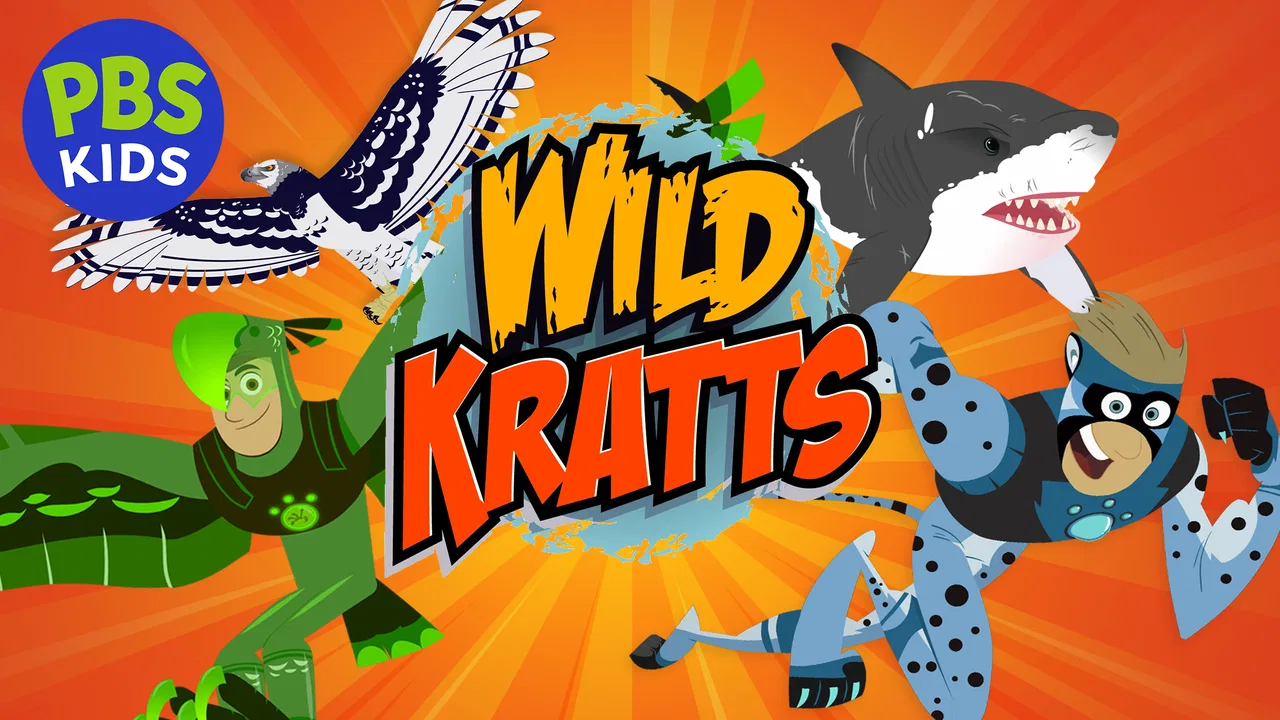
The art direction supports that idea with a bright, animated presentation. I found the visual language easy to read at a glance, which is especially important in an endless runner. Younger players need to recognize the path, hazards, and useful targets without studying a busy screen. The wildlife focus also gives the scenery more personality than a standard city, space, or fantasy runner. The world feels built around observing animals and helping them, not merely passing through a background.
That visual clarity is useful during short play sessions. A child can pick up the game after a break without needing a long explanation of its fictional world. The basic emotional message is already visible: move through a lively environment, react to what appears ahead, and stay involved with the animals. I consider that a practical strength for parents who want something a child can begin independently.
Facts that work best when discussed afterward
The animal facts are an important part of the identity, but I would not use this game as a replacement for a book, documentary, or guided nature lesson. Its facts appear within an active game context, so a child may remember a surprising detail because it arrived during an exciting moment, but the game is not structured like a full reference guide. For me, its educational value is strongest as a conversation starter.
A useful routine is to let a child play for a short period and then ask which animal appeared, what they remember about it, and why it needed help. That turns the running session into a small observation exercise without making the activity feel like homework. The rescue theme gives adults an easy opening for questions about habitats, animal behavior, and respectful treatment of wildlife.
This is one of the less obvious strengths of the design: the game can support shared attention even when an adult is not controlling the device. A parent can listen for the facts, ask the child to explain what happened, and use the game’s animal focus to lead into a real-world discussion. It works particularly well for preschool and early elementary players who enjoy repeating information they have just discovered.
The mood stays adventurous rather than intense
The setting creates a mild sense of urgency, but the overall mood remains suitable for children. The adventure is energetic without depending on harsh danger or an aggressive atmosphere. That balance is important because an endless runner can easily become visually frantic. Here, the wildlife theme softens the pressure and keeps the player’s attention on exploration and rescue.
I also appreciate that the game’s identity is not buried under complicated menus or a heavy story. The setting is communicated through the animals, the visual presentation, and the purpose of the run. For a young player, that is more useful than a long narrative introduction that delays the first playable moment.
Sound gives the running rhythm a friendly shape
Sound plays a supporting role in the experience. In a game based on continuous movement, audio helps establish whether the player should feel relaxed, alert, or overwhelmed. Here, the wildlife-adventure mood is more important than creating a tense arcade atmosphere. The result feels appropriate for family play: lively enough to keep attention, but not so severe that a mistake turns into an unpleasant event.
The pacing is also easier to understand because the game communicates through a combination of movement, visual cues, and sound. I found that useful for children who are still learning to coordinate what they see with what they do. A runner can become confusing when every object arrives at the same speed and importance; a coherent audio-visual mood helps the child recognize that the game is building an adventure rather than simply throwing noise at the screen.
Parents should still expect repetition. Endless runners naturally rely on recurring movement patterns, and a child who enjoys the first few sessions may eventually notice that the basic rhythm does not change as dramatically as it would in a story-driven adventure. That is not a flaw unique to this title, but it does affect how long the game may hold attention at one time. I see it as better suited to brief, repeatable play than to a long afternoon of uninterrupted gaming.
A practical tip is to treat the sound and pacing as a guide for session length. If a child begins reacting automatically rather than noticing the animals or facts, it may be time to pause. The game’s educational purpose is easier to preserve when the player is still engaged with the wildlife theme, not merely chasing another run.
Where the endless-runner mechanics fit
The endless-runner structure is a sensible match for the game’s audience because the basic goal is easy to grasp. The player can focus on timing, movement, and reacting to what appears on the route instead of learning a large collection of controls. That simplicity makes the game more accessible than an educational title built around several separate systems.
At the same time, the format creates a trade-off. A runner is good at repetition, quick decisions, and short challenges, but it is less effective for deep explanation. The educational material has to share attention with the need to keep moving. Children who enjoy action and visual feedback will probably connect with that arrangement. Children who prefer puzzles, drawing, reading, or slower exploration may find the constant forward motion tiring.
I would introduce it to a child who already likes animal programs and simple arcade games. The wildlife subject gives the runner a meaningful identity, while the familiar movement format avoids the steep learning curve of a more elaborate adventure game. If a child becomes frustrated by quick reactions or repeated failed runs, a slower educational alternative may be a better fit, even if it contains fewer exciting moments.
One useful way to play is to separate the goals. On one run, let the child concentrate on understanding the controls and staying on course. On another, encourage them to pay attention to the animal information. Trying to demand perfect performance and careful reading at the same time can make the experience feel more difficult than it needs to be. This two-pass approach respects both sides of the game: the action and the learning.
Who will get the most from it?
I think the best audience is a young player who enjoys wildlife, animated adventure, and games that can be understood without a long tutorial. It also suits families looking for a small, focused educational purchase rather than a broad subscription-style collection. The Everyone rating makes the tone suitable for shared family use, and the rescue premise gives adults something concrete to discuss with children.
It is less suitable for older players seeking strategic depth, complex progression, or a substantial story campaign. The game’s appeal comes from its immediate animal-centered action, not from building a character, solving elaborate mysteries, or mastering a large system of upgrades. I would also hesitate to choose it for a child who mainly wants a calm nature encyclopedia. That child may benefit more from an app where reading, identification, and exploration are the central activities.
Another trade-off concerns replay value. The endless format encourages repeated attempts, which can be helpful for practicing coordination, but repetition alone will not satisfy every child. The game works best when the player has a personal reason to return: enjoying a favorite animal, trying to improve a run, or talking about a fact discovered during play. Without that interest, the action may begin to feel routine.
Everyday use: a short activity that can lead somewhere
I can see this working well during a brief waiting period, a quiet transition before dinner, or a shared parent-and-child break. A child can start playing without needing a long setup, and an adult can join the conversation afterward by asking what happened in the rescue run. Because the game is about animals rather than a purely abstract score, the session can naturally lead to looking up a related animal in a book or talking about where it lives.
I would avoid presenting it as a reward that must be played for a long time. The strongest use is a compact activity with a clear beginning and end. For example, a parent might allow a few attempts, ask the child to name one animal fact, and then move on to a drawing or real-world nature activity. That workflow makes the game part of a larger learning moment instead of asking it to carry the entire lesson.
For travel or offline family use, I would prepare the device before handing it to a child and check the current installation beforehand. The game is listed for devices running Android 5.1 or later, and its current version is 2.0.10. Those details make compatibility worth checking on an older phone or tablet, especially if the device is being used by a child who will expect the game to open immediately.
How it compares with other educational choices
Compared with a standard wildlife video, this game asks the child to react and participate rather than simply watch. That active element can make the animal facts more memorable for children who learn best through doing. The compromise is that the child has less time to absorb a detailed explanation while managing the run.
Compared with a nature encyclopedia app, it is more energetic and probably more inviting to a child who is not yet interested in reading long entries. An encyclopedia will usually be the better choice for careful research, repeated browsing, and detailed comparison between species. This game is better at creating an emotional hook: the child is moving through an adventure and encountering animals as part of a purpose.
Compared with a general endless runner, the wildlife theme gives the action a more constructive tone. Instead of relying only on speed and score, it connects play with animal knowledge and rescue. However, a general runner may offer a broader range of challenges or a stronger emphasis on high-score competition. I would choose this title when the animal subject matters more than advanced arcade depth.
The price also changes the comparison. At $2.99, it is not positioned as a free download that a family can sample without thought, but it is still a relatively contained purchase for a dedicated children’s game. I would make the decision based on the child’s interest in both animals and running mechanics. If either side is a poor match, the purchase is less convincing than it first appears.
Small friction points parents should consider
The main limitation is the tension between movement and learning. A child may focus on avoiding obstacles and miss the meaning of an animal fact. That does not make the educational material ineffective, but it means adults should not assume that every piece of information will be absorbed automatically. Occasional conversation or replay can help.
The second limitation is the narrowness of the format. This is a game, not a complete collection of science activities. Families looking for math practice, literacy exercises, creative tools, or a variety of educational subjects will need other apps as well. Its value comes from doing one theme with a clear playable mood, not from covering every learning need.
The third is the possibility of fatigue from repeated runs. Endless movement is accessible, but it can also become predictable. I would watch how the child responds after the novelty fades. If the child is still talking about the animals, the game is retaining its educational hook. If the conversation is only about repeating the same run, another type of activity may offer more lasting value.
Even with those limits, the design feels coherent. The art, wildlife setting, sound, and pacing support the same friendly adventure instead of pulling in unrelated directions. That coherence is what makes the title more than a runner with animal pictures added to it.
Device fit, cost, and long-term expectations
The game’s current version is 2.0.10, and it supports Android 5.1 or later. That makes it relevant to families using older compatible devices, although I would still check the device before purchase because a minimum operating-system requirement does not guarantee that every older handset will feel equally comfortable for a child.
The store information places the release on December 20, 2017, so I approach it as an established children’s game rather than a new release built around current mobile trends. Its audience size is modest compared with major mainstream games, with over ten thousand installs and around one hundred ratings. I would not use popularity alone to judge it; the more useful question is whether its specific combination of wildlife facts and running action matches the child who will play it.
The Everyone age classification is reassuring for families choosing a gentle shared game, but parents should still decide how much screen time fits their household. A child-friendly rating describes the content’s suitability, not the ideal length of every session. In my experience, the game is easiest to keep constructive when it is used as a short activity followed by conversation or another offline pursuit.
My atmosphere verdict
What stays with me is the way the game keeps its mood consistent. The colorful wildlife world gives the running mechanics a reason to exist, the sound and pacing support a friendly sense of movement, and the facts add a layer of curiosity without turning the game into a lecture. I do not think it is the deepest educational game or the most varied runner, but depth and variety are not its main promise.
I would recommend it to a younger child who already responds to animal stories and enjoys quick, simple games. I would especially recommend playing alongside the child at least occasionally, not because the controls are difficult, but because the facts become more valuable when someone asks questions about them. That small change turns a few runs into a more meaningful wildlife activity.
I would skip it for a child who wants a long story, complex challenges, or a quiet reference experience. I would also skip it if the child dislikes endless-runner repetition, regardless of how appealing the animal theme looks. For the right player, though, the combination is convincing: an accessible action game with a clear rescue purpose and an atmosphere that stays warm from start to finish.
My final view is that PBS KIDS has made a focused educational game rather than an all-purpose learning package. Its best quality is the fit between subject, mood, and mechanics. The wildlife setting makes the action feel purposeful, while the simple structure leaves room for children to play independently and for adults to extend the learning afterward. At $2.99, it earns consideration from families who want that specific experience and understand its limits.
FAQs for Wild Kratts Rescue Run
01What is Wild Kratts Rescue Run?
Wild Kratts Rescue Run is an educational endless-runner game inspired by the Wild Kratts television series. Players guide the Kratt brothers through colorful environments while rescuing animals, avoiding obstacles, collecting items, and completing missions. The game combines simple arcade gameplay with wildlife-themed content, making it especially appealing to younger children and fans of the show who enjoy short, action-focused challenges.
02Is Wild Kratts Rescue Run suitable for children?
The game is generally designed with children and families in mind, using friendly cartoon graphics, recognizable characters, and non-violent gameplay. Its controls are straightforward enough for younger players to learn quickly, although children may still need help understanding objectives or managing settings. Parents should review the app’s current age rating, privacy information, and any available purchase or advertising options before downloading.
03How does the gameplay work?
Gameplay typically involves running through different areas, moving between lanes, jumping over hazards, collecting useful objects, and rescuing animals along the route. Players may also encounter missions, character upgrades, or themed challenges that encourage repeated play. The controls are designed for touchscreens, so actions are usually performed with swipes or taps. Progress depends on timing, observation, and learning each environment’s patterns.
04Does Wild Kratts Rescue Run require an internet connection?
The basic running gameplay may be playable without a constant internet connection, which is useful for travel or situations where mobile data is unavailable. However, some features can depend on connectivity, including downloading the game, receiving updates, displaying advertisements, synchronizing progress, or accessing external links and additional content. It is best to launch the game online first and check which functions remain available offline.
05Are there in-app purchases or advertisements in Wild Kratts Rescue Run?
Availability of advertisements, paid content, or in-app purchases can vary according to the version, platform, region, and updates released by the developer. Before allowing a child to play, parents should inspect the store listing and the game’s settings carefully. If purchasing options are present, enabling parental controls and requiring authentication for payments can help prevent accidental purchases while preserving access to the core experience.
Pros
- Fun endless-runner gameplay designed for younger children.
- Features familiar Wild Kratts characters and animal rescue themes.
- Simple controls are easy for children to learn quickly.
- Encourages interest in wildlife through playful missions.
- Bright visuals and cheerful animations keep the experience engaging.
Cons
- Gameplay can become repetitive after extended play sessions.
- May feel too simple for older children or experienced gamers.
- Some content or characters may require in-app purchases.
- Requires compatible device performance for smooth animations.
- Limited challenge may reduce replay value once levels are completed.

Wild Kratts Rescue Run
Gallery